Emotion Awareness
Recognizing that an internal change is happening and beginning to connect that experience with a feeling such as happy, worried, angry, disappointed, excited, or overwhelmed.
Notice + Identify
A practical guide to helping children notice feelings, understand body signals, communicate needs, recover from frustration, practice calming strategies, and build the confidence to return to play, learning, and everyday routines.

Emotional regulation is not the absence of big feelings. It is the growing ability to notice what is happening, stay connected, use support, and eventually return to a manageable state.
Young children often rely on adults before they can regulate independently. A calm adult voice, predictable routine, familiar language, physical closeness, and simple choices can help a child borrow regulation before they are able to create it alone.
Over time, repeated experiences help children connect feelings with body sensations, words, actions, and coping strategies. Progress can look like asking for help sooner, recovering more quickly, tolerating a small disappointment, or returning to an activity after a difficult moment.
Emotional regulation develops through several overlapping abilities. Children may show strength in one area while still needing support in another.
Recognizing that an internal change is happening and beginning to connect that experience with a feeling such as happy, worried, angry, disappointed, excited, or overwhelmed.
Noticing clues such as a tight jaw, fast breathing, warm face, wiggly body, heavy shoulders, clenched hands, stomach sensations, or a desire to move away.
Using words, gestures, visual cues, or familiar phrases to express what is wrong, ask for help, request space, or explain what is needed.
Learning a small set of reliable actions such as breathing, squeezing, stretching, moving, pausing, holding a comfort item, or using a quiet space.
Gradually becoming able to tolerate waiting, mistakes, changes, limits, and small disappointments while finding a way back to participation.
Simple phrases can help children understand what is happening without adding too much language during an already difficult moment.
“Your hands are tight and your voice is loud. Your body looks really frustrated right now.”
“You wanted another turn and it ended. That feels disappointing.”
“It makes sense that you are upset. You really wanted that to keep going.”
“It is okay to be angry. I will not let you hit. We can find another way.”
“Do you want me close, or do you want a little space while your body settles?”
“Would squeezing your hands, taking a slow breath, or moving your body help?”
“Your body is calmer now. We can decide what to do next together.”
Regulation tools become more useful when children practice them during calm moments. Keep the options simple and repeat the same few strategies often.
Practice breathing in gently and breathing out a little longer. Use a simple image such as smelling a flower and cooling warm soup.
Breath + PaceCarry safe objects, push a box, pull a basket, press hands together, squeeze a pillow, or do another age-appropriate resistance activity.
Body + PressureWalk a balance line, hop slowly, stretch, shake arms, march, crawl, or use a simple movement sequence to release extra energy.
Movement + RegulationCreate a calm, non-punitive place with a few familiar items where a child can pause, sit near an adult, or reduce stimulation.
Pause + ResetUse a familiar tactile material, sorting task, squeeze object, or slow repetitive hand activity to give attention somewhere concrete.
Sensory + FocusCount five objects, name three things you can see, identify two sounds, or slowly sort a small set of items.
Attention + GroundingInvite the child to draw what the feeling looks like, what color it might be, or where they notice it in the body.
Creative ExpressionReduce demands and offer two clear choices: sit nearby or stand, hold my hand or hold the pillow, talk now or talk in a minute.
Control + SafetyOnce calm has returned, keep reflection short. Name what happened, identify what helped, repair if needed, and move forward.
Reflection + Recovery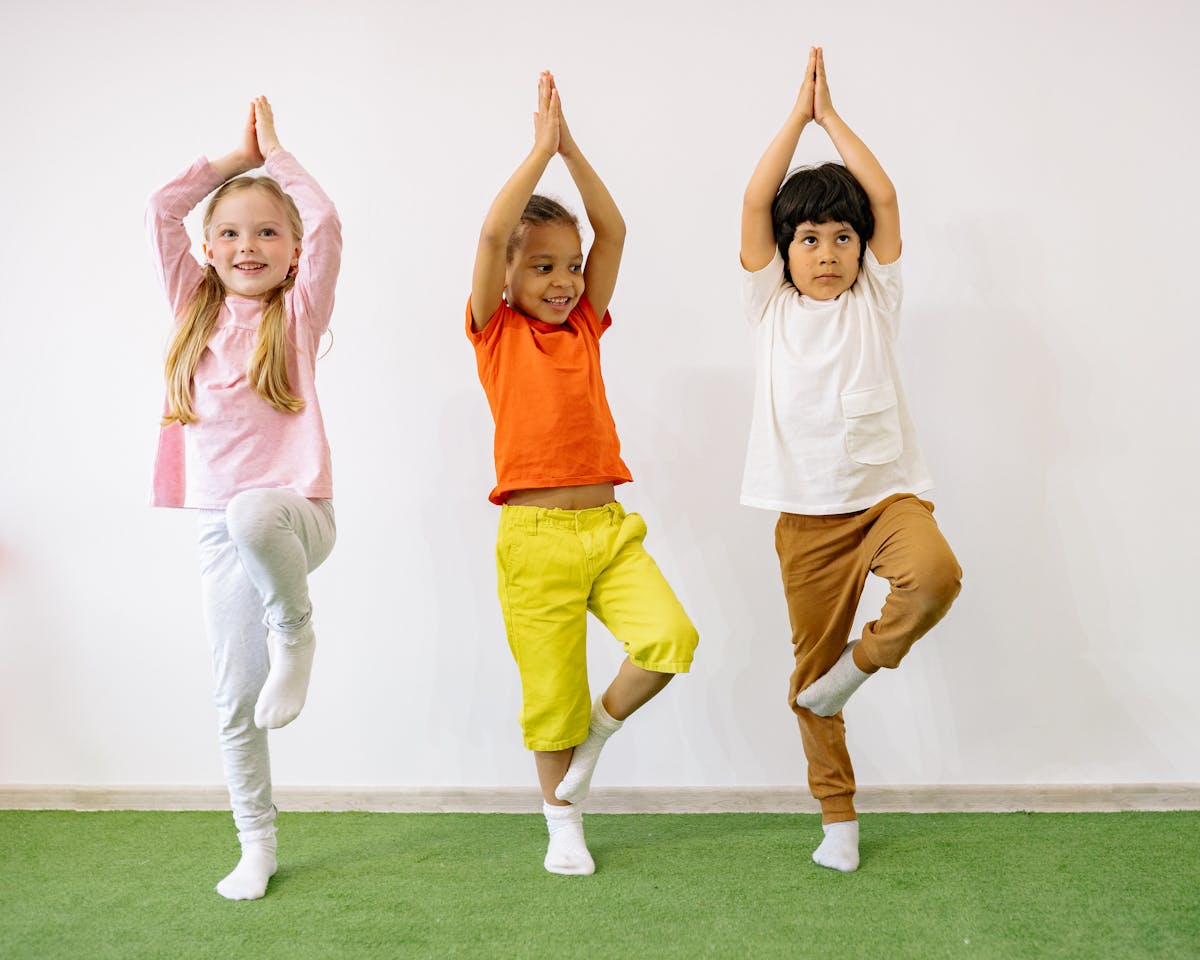
Regulation is harder when a child is tired, hungry, rushed, overstimulated, uncertain, or facing too many demands at once. Adjusting the environment can sometimes reduce the amount of regulation a child needs to do.
The easiest place to teach regulation is inside ordinary family life, where the same situations happen often enough for children to practice.
Briefly preview what will happen next and identify one transition that might need extra support.
Ask whether the body feels slow, fast, wiggly, tired, hungry, excited, calm, or tense.
Use turn-taking, building challenges, sorting tasks, and games to practice waiting, changing plans, and trying again.
Give a short warning, name what is ending, and make the next step easy to understand.
Once calm returns, ask what the child noticed and what helped, without turning the moment into a long lecture.
Notice one specific regulation success from the day, such as waiting, asking for help, taking space, or trying again.
Children often show signs of rising emotion before they can explain what is happening. Helping them notice early signals can make regulation easier.
Pacing, bouncing, louder movement, grabbing quickly, rushing through tasks, or difficulty staying in one place.
Clenched hands, tight jaw, raised shoulders, stiff posture, hard pressing, or a strong need to push or squeeze.
Faster speech, repeated phrases, whining, shouting, very quiet speech, or difficulty finding words.
Trouble accepting a small change, becoming stuck on one answer, rejecting help, or reacting strongly to a minor problem.
Moving away, hiding, refusing to talk, covering ears, avoiding participation, or becoming unusually still.
More grabbing, interrupting, arguing, controlling play, or reacting quickly to siblings and peers.
Crashing, jumping, squeezing, touching everything, chewing, spinning, or seeking strong movement.
Emotional reactions become larger when the child is tired, hungry, rushed, unwell, overstimulated, or facing too many demands.
Different kinds of play can support attention, sensory organization, persistence, communication, movement, and flexible problem solving.
Songs, sound games, letter matching, and storytelling can support language for feelings, experiences, and needs.
Language + CommunicationCounting, patterning, and step-by-step tasks can support focus, sequencing, patience, and predictable thinking.
Attention + SequenceMatching and sorting visible features can offer a calm, concrete activity when attention needs a simple anchor.
Visual FocusDrawing, making, clay, and open-ended art can give children a nonverbal way to express and process experiences.
Expression + Fine MotorBuilding and testing ideas creates safe opportunities to practice mistakes, persistence, flexibility, and trying again.
Persistence + FlexibilityRepetitive tactile experiences can support focused attention, hand activity, sensory exploration, and calming routines.
Sensory RegulationPredictable hands-on tasks can support concentration, order, independence, repetition, and confidence.
Focus + IndependenceControlled movement and body challenges can provide useful physical input while building coordination and confidence.
Movement + Body AwarenessVisual time concepts can support predictability, transition language, waiting, and understanding what happens next.
Routine + PredictabilityRepetitive arranging, matching, and stacking can support focus, control, problem solving, and calm persistence.
Focus + CoordinationUse this short plan to introduce emotional regulation skills during calm moments. Repeat the same tools beyond five days rather than constantly adding new strategies.
Build a small, useful vocabulary for everyday emotional experiences.
Help the child identify what the body feels like in different states.
Choose only two calming strategies and rehearse them while calm.
Use play to rehearse manageable disappointment and trying again.
Keep what worked and make those tools part of familiar routines.
Regulation develops gradually. A child can know a calming strategy and still be unable to use it during a very difficult moment without adult support.
During high emotion, safety and connection usually matter more than explaining, correcting, or teaching a long lesson.
A dysregulated child may process language less efficiently. Keep sentences short, calm, and concrete.
Breathing, movement, feeling words, and calming routines are easier to learn before the child is already overwhelmed.
Asking for help sooner, recovering slightly faster, or accepting a limit with support are meaningful regulation gains.
Every question below is closed by default so families can open only the information they need.
It means gradually learning to notice feelings and body signals, communicate needs, use support, practice calming strategies, and return to a manageable state after excitement, frustration, disappointment, worry, or overwhelm.
Independence develops over time. Young children often need co-regulation from a calm adult before they can use strategies alone. Support can gradually decrease as the child becomes more familiar with the process.
Use fewer words than usual. Name what you notice, validate the feeling, keep necessary limits clear, and offer one simple support option. Long explanations can wait until the child is calmer.
A calm space is intended as supportive rather than punitive. It can be used with an adult nearby and should contain familiar, simple regulation tools rather than functioning as isolation or a consequence.
Start with two or three. Children often benefit more from repeatedly practicing a small set of reliable strategies than from being offered a long menu during difficult moments.
Breathing is only one option. Some children respond better to movement, pressure, squeezing, walking, sensory input, quiet, closeness, or a practical task. Use the strategies that fit the child rather than forcing one method.
Yes. Play naturally creates opportunities to wait, try again, change plans, solve problems, communicate, tolerate mistakes, share materials, move the body, and recover from small frustrations.
Familiar tactile and repetitive activities can provide focused hand activity and predictable sensory input. Different children respond differently, so observe which materials appear calming or organizing for your child.
Reduce demands. Stay present, keep safety limits clear, and allow time. Strategies are easier to practice when calm, and a child in a highly emotional state may not be ready to select or perform a tool.
Wait until both the child and adult are calm. Keep the reflection brief: what happened, what the child noticed, what helped, and what might be tried next time. Then move forward.
Use predictable warnings, consistent phrases, visual time cues, learning clocks, simple choices, and a clear first step for the next activity. Familiarity can reduce the amount of uncertainty a child has to manage.
Look for small changes: noticing feelings sooner, using more words, accepting help, tolerating a short wait, recovering more quickly, choosing a familiar strategy, or returning to play after a difficult moment.
Emotional regulation is not a single technique. It grows through thousands of small experiences of being noticed, supported, guided, given language, allowed to practice, and trusted to try again.

